
网络安全专业人士正经历着残酷的一个月
被称为“黑色十月”的危机尚未结束,但互联网上已经发生了数十起重大网络攻击以及被人工智能识别出的漏洞。10月21日,在AI工具的帮助下,全球约70%网站使用的编程语言PHP被发现存在关键漏洞,并由PHP基金会披露。随后,全球范围内的服务器补丁修复竞赛随即展开。
云服务提供商Cloudflare报告称,在该漏洞披露后的数小时内,已有数千次尝试利用该漏洞;而在披露后,针对该漏洞的攻击尝试达到了数百万次。法国和芬兰等国家暂时限制了某些网站的访问权限,而美国国家安全局(NSA)则警告各组织应立即修补这些缺陷或将受影响系统下线。
“我们现在正处于安全领域的末日时刻,”NEAR创始人Illia Polosukhin表示。Anthropic的首席安全顾问Jason Clinton警告称:“过去4天的情况虽然糟糕,但在好转之前,情况还会变得更糟。”
英国公民甚至被敦促为可能切断水、电或互联网等关键基础设施访问权的紧急情况(如恶劣天气或网络攻击)做好准备。美军设施已被告知要准备在“堡垒行动”(FORTRESS initiative)下独立运行90天。
休斯顿,我们有麻烦了吗?除了匆忙囤积罐头食品和对讲机外,普通人还能做些什么来降低自身风险呢?
“黑色十月”到底有多严重?
“情况真的很糟糕。看起来互联网的其余部分正在觉醒,面对我们三个月前就存在的现实,”参与比特币红队的比特币安全研究员Rob Hamilton告诉Magazine。
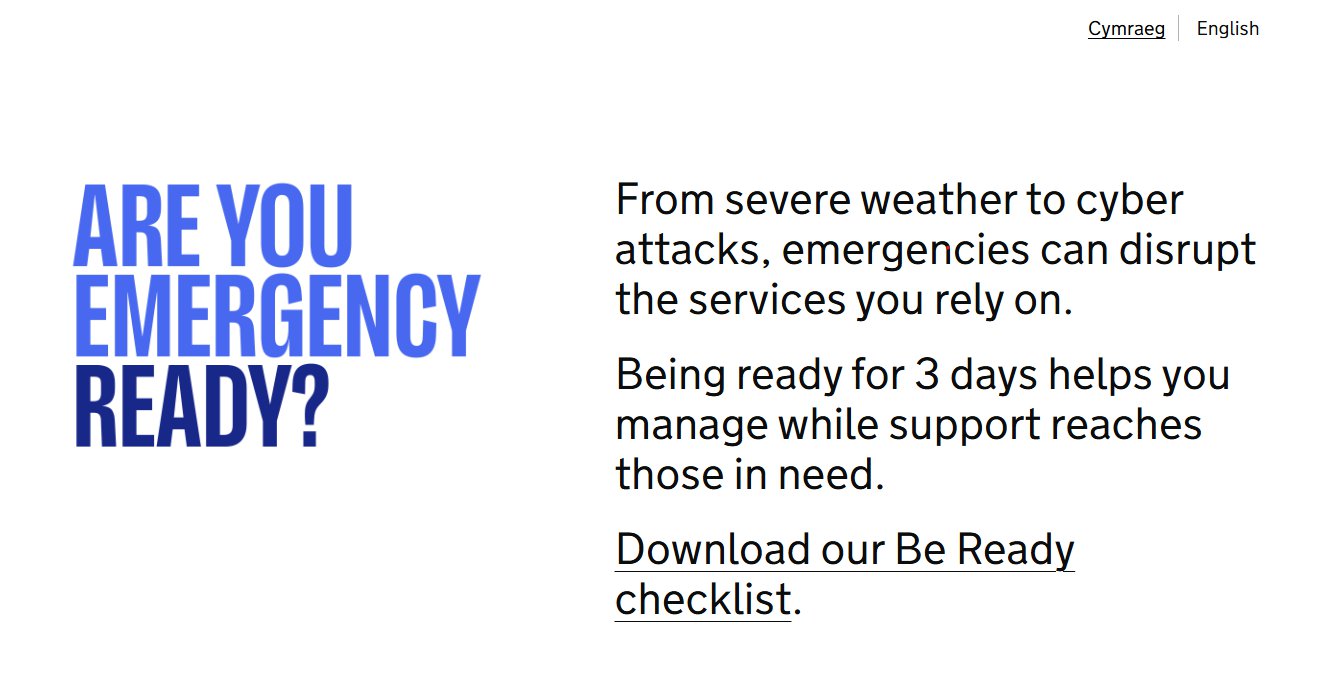 英国政府敦促市民做好应对紧急情况的准备。来源:gov.uk
In the past week or so, cloud platform Railwaydisclosedthat an attacker has accessed and decrypted customer credentials and API keys, apparently targeting AI providers.Related:France is world’s most dangerous place for Bitcoiners: 90 attacks in 7 monthsMedical testing giant Quest Diagnosticsconfirmeda breach of private patient health data, while Indian security firm eMudhra wasfoundto have eight digital certificate authorities with weak keys that could potentially have let attackers impersonate trusted websites. And code hosting platform GitHubexperienceda major service disruption that highlighted how heavily the software world relies on shared infrastructure.GitHub’s senior director of security, Austin Devers, says incidents like this are a “clear reminder that reliability requires constant work,” because modern development is “so connected.”
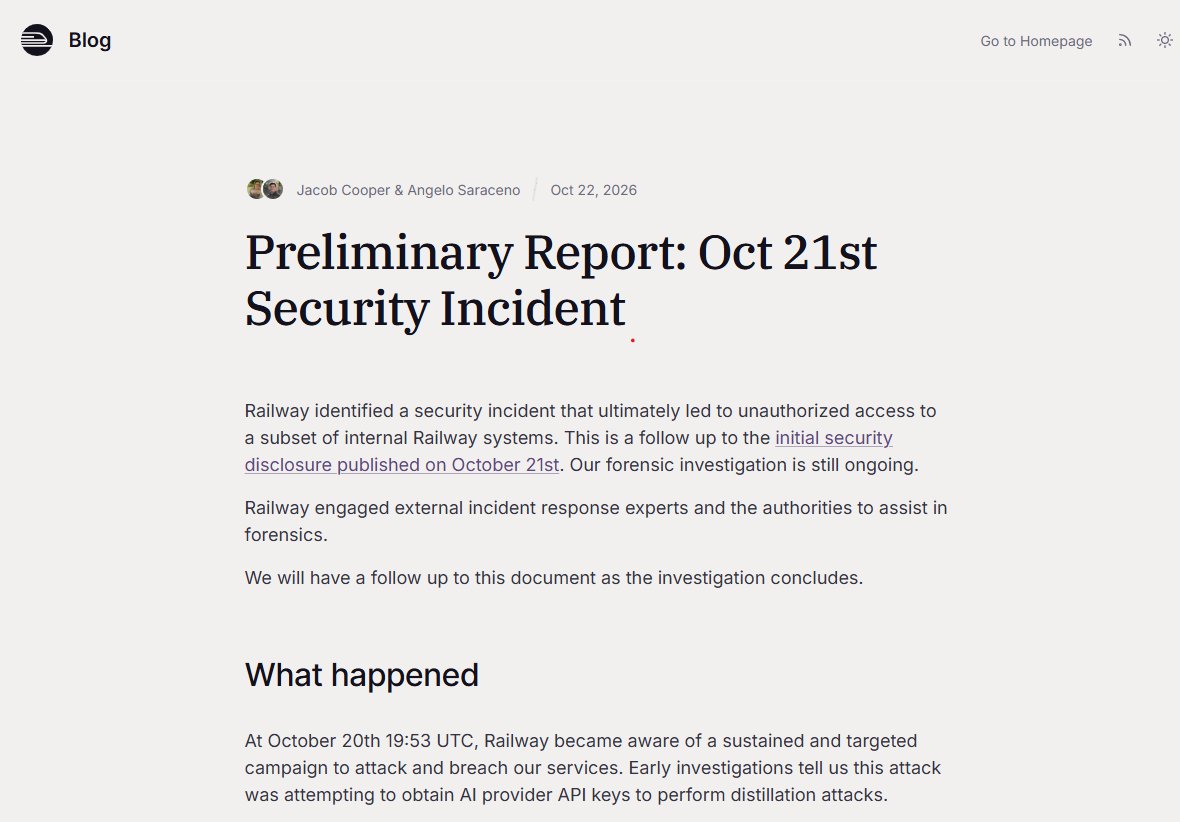 Railway security incident. Source: RailwayJonathan Riss, an OSINT and blockchain intelligence analyst at blockchain security firm CertiK, tells Magazine:“What concerns us most is how a single weakness in shared infrastructure can expose many organizations simultaneously.”Unfortunately, he adds that AI’s ability to find vulnerabilities is not matched by its ability to fix them:“Finding vulnerabilities faster does not automatically give us the capacity to resolve them faster.”Why things are likely to get worseOne reason the problem is getting worse is because AI has changed the economics of cybersecurity.What once required nation-state resources and sophisticated hackers to pull off can now be achieved by a teenager in a basement somewhere.AI entrepreneur and investor Matt Shumersaidthat AI enables non technical users to find weak spots and exploit them, leaving defenders are “racing to keep up.”“Every weak spot still has to be fixed, tested and installed on millions of systems run by people who are already stretched thin.”Devers says AI-assisted security tools are “dramatically” lowering the barrier to “uncovering complex, deep-seated flaws in widely used codebases.”Related:Keystone says website breach exposed hardware wallet buyers’ addressesWhat can ordinary people actually do?There are some practical steps ordinary folk can use to stay safer online during this volatile period.
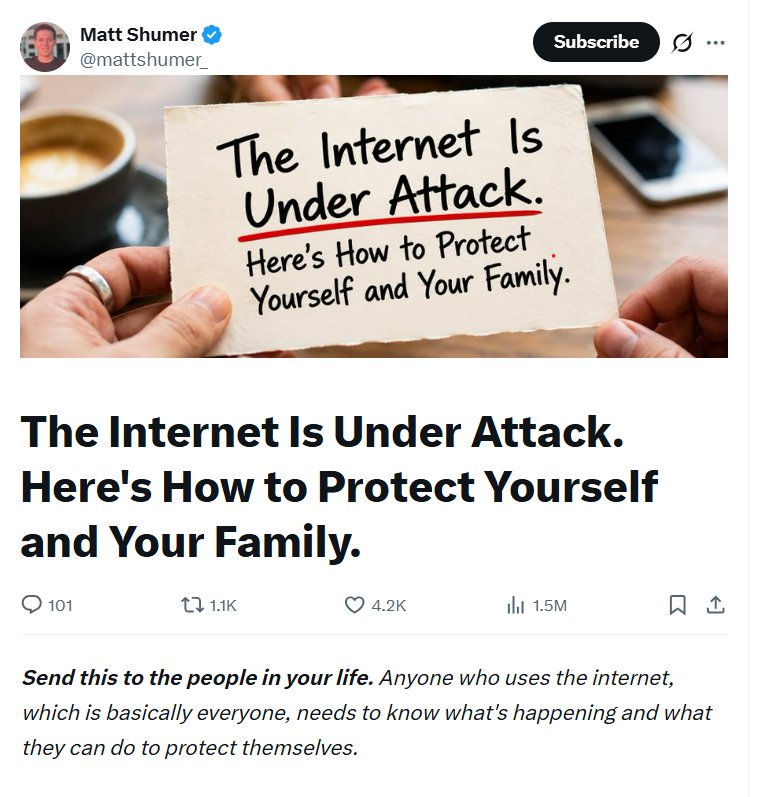 The internet is under attack. Source: Matt ShumerShumer recommends staying off sites you don’t know, and definitely don’t enter passwords or card numbers into unfamiliar sites “until this blows over” since smaller sites are the “least likely to have patched.”Delete any apps you don’t use and unplug smart gadgets you don’t need. Keep some cash at home and enough groceries for a few days, “if you want to be extra careful.”Devers says the best defense is “locking down personal access points and keeping overall footprints small.” Turn on Multi-Factor Authentication (MFA) across all accounts, ideally using an authenticator app or hardware security key rather than text messages.“This acts as a circuit breaker and stops hackers from logging into your account even if the underlying software is compromised.”Never reuse passwords either, he says. “Create strong, unique passwords for every site, and periodically disconnect old app permissions or third-party connections you no longer use.” Keep your devices and web browsers updated automatically:“While platform teams work to fix cloud-level security issues on the backend, keeping your devices secure ensures hackers can’t use your personal hardware as a back door into your accounts.”To self-custody or not self-custody, that is the questionWhile the alarming rise in security incidents has caused some crypto holders toconsider alternativesand some experts toadviseagainst self-custody, others, such as Bitcoin advocate and Casa chief security officer Jameson Lopp,remindusers that defeats the whole purpose.“You can only benefit from Bitcoin’s unique properties when you hold your own keys. [...] Giving up your keys doesn’t make the risk go away, he says. It moves the risk somewhere you can’t see or control.”Riss recommends separating small amounts you intend to use into a hot wallet, from longer-term holdings in a hardware wallet, and to “actually read what you’re signing rather than approving blind.”While these precautions can reduce your vulnerability to attack, everyday users can only lock down local issues, and have little ability to affect wider problems.You can “reduce blast radius,” he says, “not prevent infrastructure compromise.”So while users can improve their cyber hygiene, ultimately, “the structural burden sits with platforms and providers.”Magazine:Scammer loses $4.8M stored on tampered Ledgers: Asia Express


