


注:本文内容综合整理自海外财经媒体市场报道、行业机构公开复盘,仅作金融科普,不构成任何投资建议。

Preface

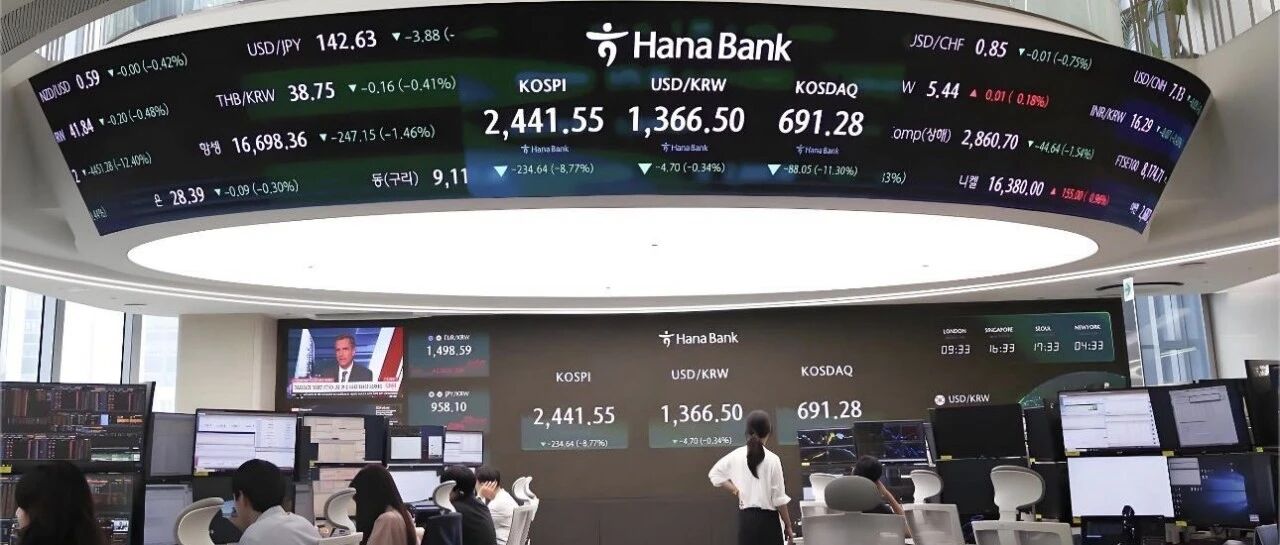
In mid-2026, South Korea’s stock market experienced an unprecedented mass liquidation crisis triggered by excessive retail leverage. After a prolonged rally led by the semiconductor sector, massive individual investors piled into leveraged ETFs with multi-layered borrowed capital, chasing continuous market gains.
When market sentiment suddenly reversed and the benchmark index tumbled sharply, highly leveraged retail positions quickly fell into deficit. Triggered by margin calls and the daily rebalancing mechanism of leveraged funds, a vicious selling stampede emerged, pushing hundreds of thousands of ordinary trading accounts into full liquidation within a short period.
This article systematically sorts out the whole process of this market crash, analyzes the structural risks of leveraged financial products, and summarizes the core lessons of retail speculative failures under extreme market volatility.
近期,韩国资本市场出现罕见的集中爆仓行情,大量个人投资者因高杠杆交易遭遇强制平仓,引发市场广泛讨论。本次市场波动并非常规指数回调,而是散户高杠杆叠加杠杆ETF机制缺陷引发的系统性踩踏风险。
Recently, South Korea’s capital market experienced a rare wave of mass liquidations. A large number of retail investors faced forced liquidation due to highly leveraged trading. This market turbulence is not a regular index correction, but a systemic stampede triggered by retail leverage and structural flaws in leveraged ETFs.
01 一场普通人的杠杆灾难
这不是股市小幅下跌,是韩国散户高杠杆炒股引发的连环崩盘。
In short: This is not a minor market dip, but a chain collapse caused by excessive leverage among Korean retail investors.
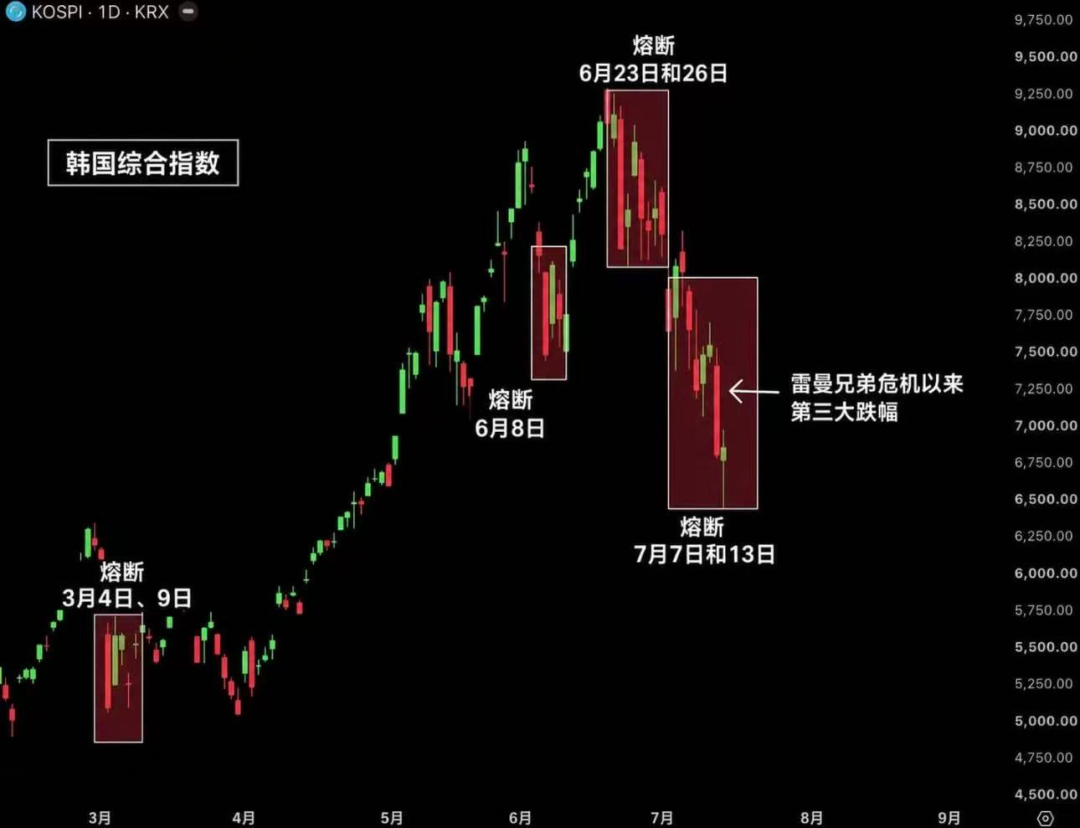
2026年6月,韩国股市冲上阶段性新高,市场一片乐观。大量韩国上班族、年轻人跟风入市,尤其重仓半导体杠杆ETF。
大家普遍抱着“越跌越补、抄底回本”的心态,疯狂加杠杆加仓,最终埋下崩盘隐患。
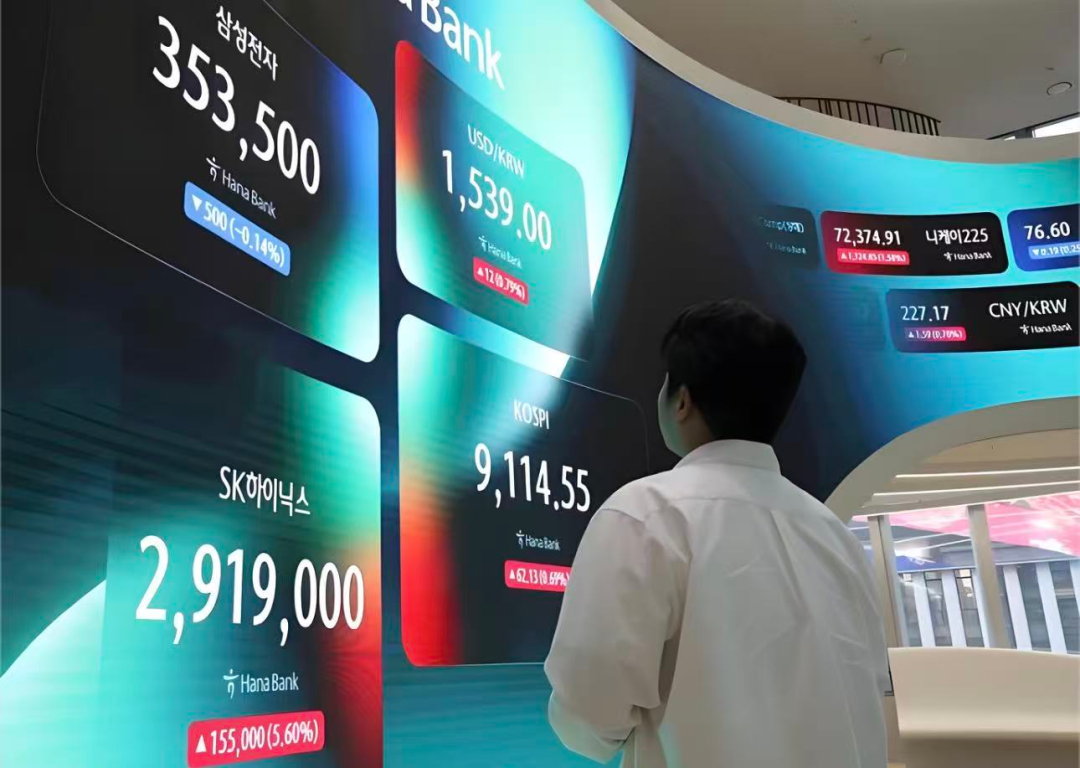
In June 2026, the Korea Composite Stock Price Index hit a new high, fueling widespread market optimism. Countless Korean office workers and young people rushed into the market, mainly buying semiconductor leveraged ETFs centered on SK Hynix.
Most investors chose to buy the dip with increasing leverage, betting on a quick rebound — a risky move that sowed the seeds of collapse.
短短一个多月,行情彻底反转:
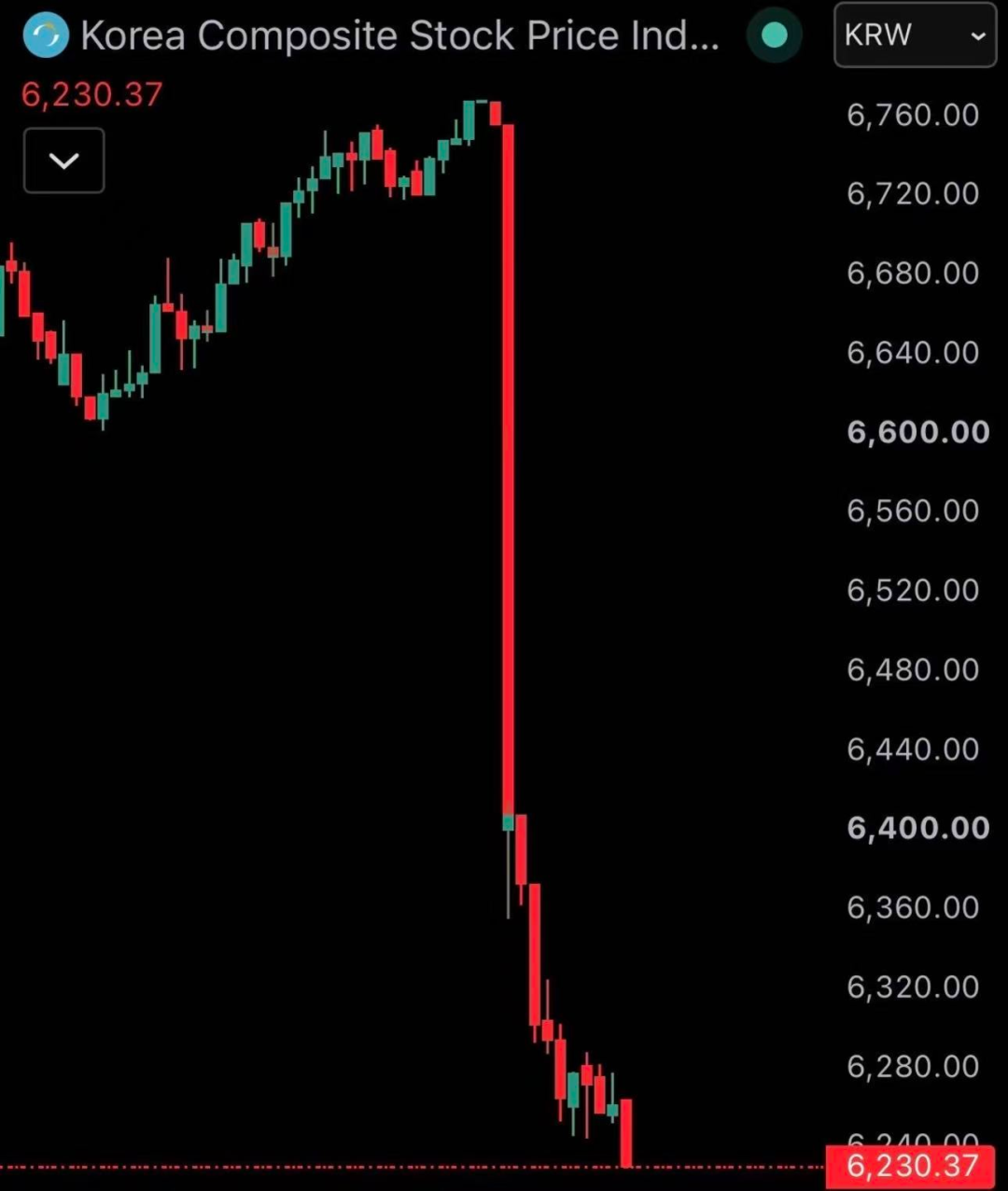
韩国股指从9300点左右高位断崖式下跌,一路跌至5500点区间。
截至目前数据:超120万杠杆账户收到补仓通知,超30万散户账户被全额强制平仓、本金彻底清零,不少人不仅亏光积蓄,还倒欠券商债务。
Market sentiment reversed completely within a month:
The KOSPI plunged sharply from around 9,300 points to 5,500 points.Official data shows over 1.2 million leveraged accounts received margin calls, and more than 300,000 retail accounts were fully liquidated with zero principal left. Many investors lost all their savings and even fell into debt to securities firms.
02 为什么会集体爆仓?
这次崩盘的核心元凶只有一个:层层叠加的超高杠杆,也是最值得普通人警惕的点。
The sole core culprit of this crash is superimposed excessive leverage — the biggest lesson for ordinary investors.
1. 什么是杠杆?
杠杆就是借钱炒股。
不用全款买股票,只付一部分本金,剩下的钱向券商借。赚钱时收益翻倍,但亏钱时,亏损也会同步放大。
Leverage means trading with borrowed money.
Investors only pay a portion of the principal and borrow the rest from securities firms. It doubles profits when the market rises, but also magnifies losses when it falls.
2. 韩国散户的致命操作
韩国散户不是简单一倍杠杆,而是三重杠杆叠加,最高撬动4-5倍资金炒股:
1. 券商场内融资:自带2-2.5倍基础杠杆
2. 买入杠杆ETF:产品本身自带2倍涨跌放大机制
3. 场外加杠杆:抵押房产、保单、信用贷继续加仓
Korean investors did not use simple leverage — they stacked three layers of leverage, reaching 4-5 times trading capital in total:
1. 2-2.5 times margin financing from securities firms
2. 2-times leveraged ETFs with built-in fluctuation amplification
3. Off-market leverage via house mortgages, insurance pledges, and personal loans
更关键的是:杠杆ETF有自动踩踏机制。
这类基金每天收盘会自动调仓。股市下跌时,系统必须被动抛售股票止损,越跌越卖、越卖越跌,形成无解的下跌死循环,直接引发市场踩踏崩盘。
The key trigger is the automatic stampede mechanism of leveraged ETFs:
These funds rebalance positions daily. When the market falls, the system is forced to sell stocks passively to stop losses. This creates a vicious cycle: price drops → massive selling → further price drops.
3. 爆仓是什么?
当股票持续下跌,你的本金亏损到触碰券商底线,没有多余资金补仓时,券商会直接强制卖出你所有股票。
最终结果:本金全部亏光,杠杆越高,爆仓越快、亏损越彻底。
When stock prices keep falling and your principal drops below the risk threshold, and you have no extra money to add margin, the securities firm will force-sell all your stocks automatically.
Final result: Total loss of principal. Higher leverage means faster and more thorough liquidation.
03 亏钱的全是普通散户
这场风波里,机构早早减仓避险,亏损最惨烈的,全是跟风入场的普通人。
In this crisis, institutional investors reduced positions to avoid risks in advance. The worst-hit groups are ordinary retail investors.
很多典型案例:普通上班族拿出全部积蓄,反复加仓摊薄成本,以为能抄底,短短一两个月账户直接腰斩、清零。
原本想靠炒股增值财富,最后变成掏空积蓄、背负负债。
Countless office workers invested all their savings and kept buying the dip to lower costs, expecting a rebound. Instead, their accounts lost half or all value in just one or two months.
They aimed to grow wealth through trading but ended up draining savings and falling into debt.
整个市场本轮亏损规模超56万亿韩元,是近年来韩国最严重的散户投资灾难。
The total market loss exceeds 56 trillion Korean won, marking the worst retail investment disaster in South Korea in recent years.
04 3个核心投资启示
抛开股市行情,这场崩盘给所有普通投资者上了一课:
1. 高杠杆是普通人的财富杀手
Never trade with excessive leverage.
杠杆可以放大收益,更能无限放大风险。普通人一旦触碰多层杠杆,遇到市场回调,几乎没有抗风险能力。
2. 不要盲目抄底、逆势加仓
Do not blindly buy the dip against the market trend.
股市没有绝对的“最低点”,越跌越补的赌徒式操作,是绝大多数散户巨亏的根源。
3. 投资永远用闲置资金
Only invest idle funds.
绝不借钱炒股、抵押资产投资,保本永远比赚钱更重要。
这场刷屏的韩国股市爆仓潮,不是市场的偶然暴跌,而是杠杆投机的必然结局。
资本市场永远公平:所有超出认知的收益,最终都会以亏损的方式归还。
This viral Korean stock market liquidation is not an accidental crash, but an inevitable ending of leveraged speculation.
The capital market is always fair: Excess profits beyond your cognitive ability will eventually be lost in risks.
音频 I 吴小晓
图文 I 吴小晓
审核老师 I 丁衍 白莲花

资讯来源:微信公众号


